This page has been updated 13/8-26
FAQ
Avian Bird Flu in Tasmania
Tasmania has now detected H5 bird flu. What does this mean?
On 13 August 2026, Tasmania confirmed its first detection of H5 bird flu in a wild bird in the state's north-west.
This is an important development for anyone keeping poultry, ducks, geese, aviary birds or other domestic birds in Tasmania.
At this stage, the detection is in a wild bird and there is no evidence of an outbreak in commercial poultry. However, H5 bird flu is now present in Tasmania, so sensible biosecurity is more important than ever.
I have therefore decided to tighten my own delivery procedures at Tasman Feed & Forage.
This isn't about panic.
It is about taking reasonable precautions before we have a problem.
Official information
For current Australian bird flu information and biosecurity advice, please refer to the Australian Government Department of Agriculture, Fisheries and Forestry's bird flu resources.
Australian Government – Bird flu information
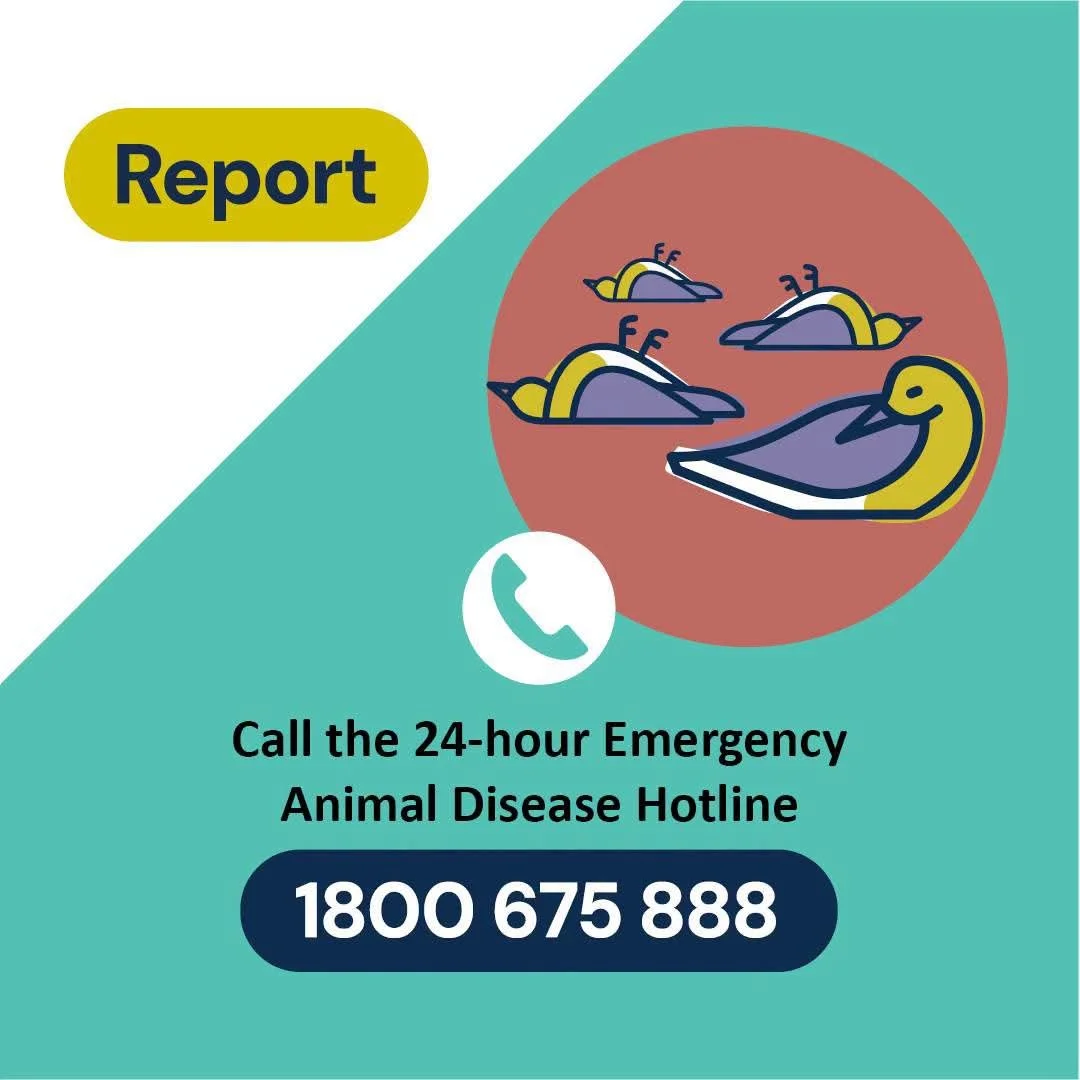
If you suspect bird flu or another serious emergency animal disease, contact your veterinarian or the Emergency Animal Disease Hotline on 1800 675 888.
-
Avian influenza, commonly called bird flu, is a viral disease that primarily affects birds.
The H5 strains currently causing international concern can cause severe disease and high mortality in poultry and wild birds. H5 bird flu can spread between birds and can also be carried from one property to another on contaminated footwear, clothing, equipment and vehicles.
Australia has been preparing for H5 bird flu, and the Australian Government continues to recommend heightened biosecurity measures for bird owners and poultry producers.
-
I visit a number of properties as part of my delivery work.
That means I have a responsibility to think about what I may unknowingly carry from one property to another.
I may visit a property with chickens in the morning, another property with ducks later in the day and then another household with pet birds.
The birds themselves may never come into contact with each other, but contaminated footwear, clothing, equipment or vehicle surfaces can potentially provide a pathway for disease transmission.
This is why I am changing how I approach deliveries.
-
I have been gradually putting additional biosecurity measures in place rather than waiting until there is an emergency.
I now have dedicated biosecurity supplies available for deliveries, including:
Single-use boot covers
Disposable nitrile gloves
Disinfectant suitable for cleaning equipment and footwear
Hand sanitiser
Cleaning and disinfection supplies
A more structured approach to how I enter and leave properties
These measures are intended to reduce the risk of transferring contaminants between properties.
-
Yes.
Having birds on your property does not automatically mean I cannot deliver.
However, I will be taking a more cautious approach to where I go on your property.
Where possible, I will ask that your poultry, ducks, geese and other birds are safely contained in their enclosure before I enter the property.
This allows me to deliver your feed without unnecessarily entering areas where birds are present.
-
This isn't because your birds are considered dangerous or infected.
It is simply about reducing unnecessary contact.
If birds are loose around a delivery vehicle, they may come into contact with footwear, equipment or other surfaces. Keeping them contained gives us a much easier way to minimise potential contamination.
It also makes deliveries safer and more predictable.
-
Generally, no.
Going forward, I will avoid entering bird enclosures wherever possible.
If your feed can be delivered without entering the enclosure, that will be my preferred option.
If there is a particular reason access is required, please let me know when placing your order so we can work out the safest way to manage the delivery.
-
That's okay.
I understand that many backyard birds are free-ranging and cannot simply be put away at short notice.
Where possible, please have them secured before I arrive.
If that isn't possible, I may leave your order at the agreed delivery point rather than walking through areas where birds are congregating.
The priority is reducing unnecessary movement through bird areas.
-
My preferred approach will be:
Your birds are safely contained where practical.
I park and unload in the agreed delivery area.
I avoid entering bird enclosures or areas unnecessarily.
Where entry is required, I can use disposable protective footwear and gloves as appropriate.
Equipment and footwear can be cleaned or disinfected between properties where appropriate.
I minimise the time spent moving around your property.
The aim is simple: deliver your feed while making as little unnecessary contact with your animals and their environment as possible.
-
Please tell me before I enter your property.
If you have birds showing unusual signs of illness, sudden deaths or a suspected infectious disease, I may ask to leave the delivery at the property boundary or another agreed location.
This is not about blaming anyone.
Bird flu can only be confirmed through laboratory testing, and unusual illness does not automatically mean bird flu. However, suspected cases should be treated seriously and reported through the appropriate channels.
-
Signs can include:
Sudden death
Lethargy or reluctance to move
Ruffled feathers
Reduced eating or drinking
Swelling of the head or limbs
Discolouration or bruising of the comb, wattles, feet or skin
Breathing difficulties
Nasal discharge or sneezing
Diarrhoea
Unusual head or neck position
Loss of coordination
Sudden or unusual reduction in egg production
These signs can have many possible causes and do not mean a bird has bird flu.
If you notice unusual illness or deaths in your birds, contact your veterinarian or the appropriate animal health authorities.
-
I will continue to monitor advice from the Tasmanian and Australian government animal health authorities.
If movement restrictions, control zones or additional biosecurity requirements are introduced, my delivery procedures will change accordingly.
I will communicate any significant changes to customers.
What can YOU do to protect YOUR birds and wildlife?
-
Keep domestic birds separated from wild birds as much as practical.
Pay particular attention to ducks, geese and other waterfowl, which can have contact with wild birds and contaminated water.
Prevent wild birds from accessing poultry feed and drinking water.
Store feed securely and clean up spilled feed promptly.
Consider netting or other physical barriers where appropriate.
-
Good hand hygiene is one of the simplest things you can do.
Wash your hands thoroughly with soap and water:
Before handling your birds.
After handling your birds.
After cleaning poultry areas.
After handling bird equipment, feed or water containers.
After handling wild birds or wildlife.
Where soap and water aren't immediately available, an appropriate alcohol-based hand sanitiser can be used.
If you regularly move between different groups of birds, consider changing or cleaning footwear and clothing as appropriate to avoid carrying contamination from one area to another.
The same principle applies when handling wildlife. If you work with or assist sick, injured or deceased wild birds, take appropriate hygiene precautions and avoid moving potentially contaminated material between locations.
-
Water can be an overlooked part of biosecurity.
If your birds drink from water collected from roofs, remember that roof surfaces, gutters and downpipes can potentially become contaminated with bird faeces and other material from wild birds.
This does not mean that rainwater tanks are automatically unsafe, but it is worth considering how your water is collected and managed.
Practical precautions can include:
Keeping gutters and collection areas clean.
Preventing birds from accessing gutters, tanks and troughs where possible.
Regularly cleaning and maintaining drinking-water containers.
Avoiding allowing wild birds to drink from or bathe in poultry drinking water.
Considering an appropriate water treatment method if your collected water presents a potential contamination risk.
Depending on your setup, water treatment options may include appropriately used, commercially available water disinfectants or other treatment systems designed for animal drinking water.
Always follow the product label and manufacturer or veterinary advice regarding concentration, contact time and suitability for poultry. Do not add household chemicals or disinfectants to drinking water unless they are specifically approved and suitable for that purpose.
If you are unsure about the quality of your rainwater or tank water, speak with your veterinarian or an appropriate animal health professional about the safest option for your flock.
-
If you rescue, rehabilitate or regularly handle wild birds or other wildlife, there are some additional biosecurity considerations.
Wild birds can potentially carry and spread avian influenza, so it is important to take extra care when handling sick, injured or deceased birds.
Practical precautions include:
Wash your hands thoroughly with soap and water before and after handling wildlife.
Use appropriate disposable gloves when handling birds, particularly sick or deceased birds.
Wear dedicated clothing and footwear when working with wildlife where practical.
Clean and disinfect equipment, carriers and surfaces after use.
Avoid taking potentially contaminated equipment directly into your poultry areas.
Keep wildlife rehabilitation areas separate from domestic poultry wherever possible.
Do not share food, water containers or equipment between wildlife and domestic birds.
If you care for multiple birds, handle healthy animals before animals that are sick or potentially exposed.
Change gloves and clean or disinfect equipment between animals or groups where appropriate.
Take particular care with faeces, feathers, respiratory secretions and other material that may be contaminated.
If you find a sick or deceased wild bird, avoid unnecessary handling. If handling is necessary for animal welfare or rehabilitation, use appropriate protective equipment and hygiene measures.
If you regularly care for wildlife and also keep domestic birds, maintaining a physical separation between the two is particularly important.
-
Avian influenza primarily concerns birds, but other animals can potentially become infected following exposure to infected birds or contaminated environments.
If you work with wildlife, avoid allowing domestic poultry access to areas where sick or deceased wild birds have been found.
If you are concerned about a wildlife exposure or an animal showing unusual signs of illness, contact your veterinarian, wildlife rehabilitation organisation or the relevant Tasmanian animal health authority for advice.
Good hygiene protects not only your birds, but also you, your other animals and the wildlife you are trying to help.
-
Keep poultry equipment as clean as practical.
This includes:
Feeders
Drinkers
Boots
Shovels and other equipment
Transport crates
Egg-handling equipment
Surfaces around poultry areas
Avoid sharing poultry equipment between properties unless it has been thoroughly cleaned and disinfected first.
-
If you visit other properties, farms, poultry shows, markets or areas where birds are kept, consider what may have come into contact with your footwear, clothing, hands and equipment before you return to your own birds.
Having dedicated footwear and clothing for poultry areas can be a useful additional precaution.
-
Check your birds every day.
Look for changes such as:
Unusual lethargy
Reduced eating or drinking
Breathing difficulties
Diarrhoea
Swelling
Neurological signs or loss of coordination
Reduced egg production
Unusual behaviour
Sudden illness or unexplained deaths
If something doesn't look right, don't simply wait and see.
Contact your veterinarian or follow the current Tasmanian reporting requirements for suspected avian influenza.
-
You don't need to completely change your entire bird-keeping system overnight.
Start with the basics:
Keep wild birds away.
Keep feed and water protected.
Wash your hands.
Clean your equipment.
Think about what comes onto your property and what leaves it.
And make good hygiene a normal part of caring for your birds.
Small, consistent biosecurity measures are much easier to maintain than trying to implement everything at the last minute during an outbreak.
-
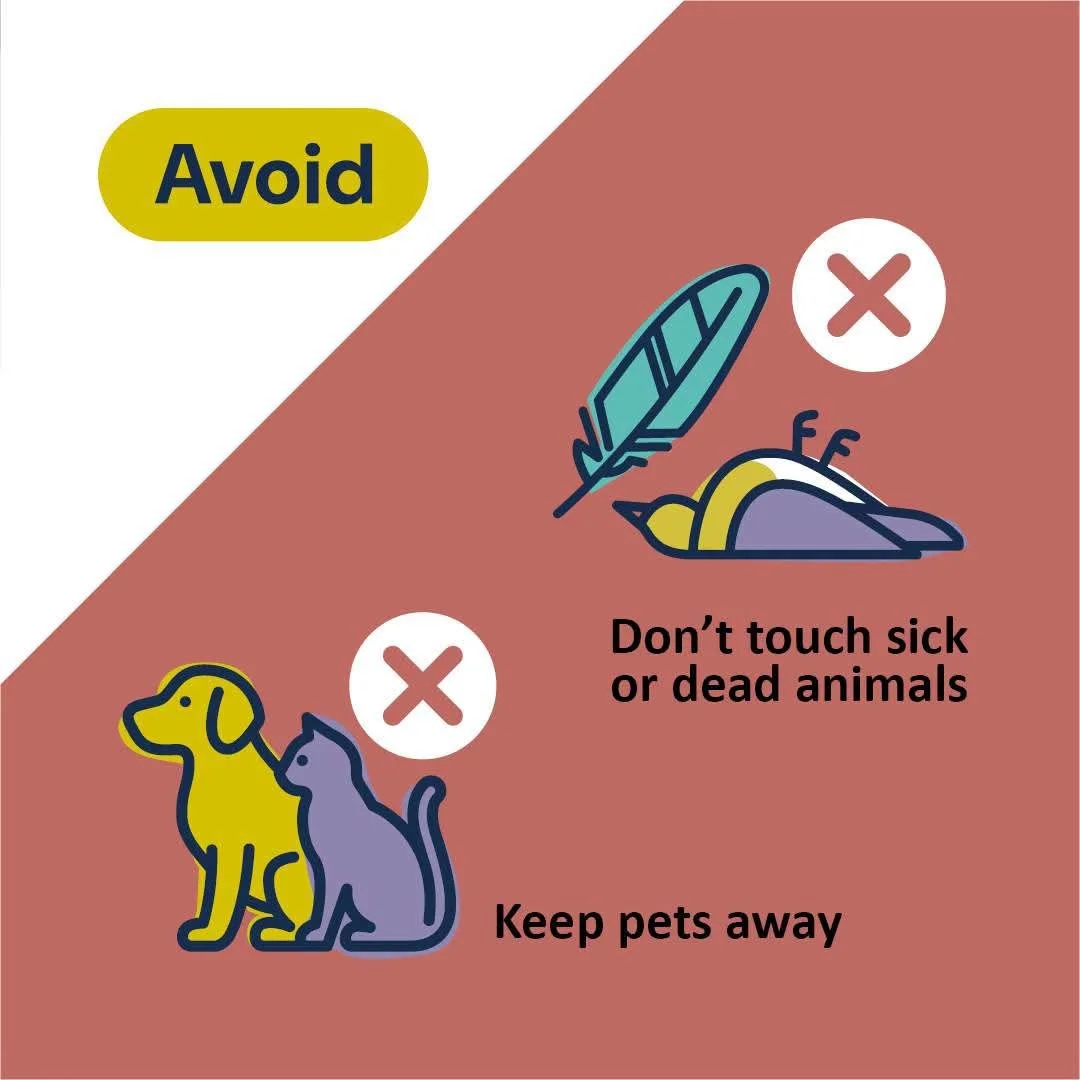
DOGS
Keep dogs under control, either on a lead or securely within your yard, so they cannot chase, pick up or eat sick or deceased wild birds. Dogs can become infected with H5N1 after exposure to infected birds or contaminated environments, although this is considered uncommon. The risk is particularly relevant if a dog mouths or eats an infected bird. If you find sick or dead wildlife, keep dogs and other pets away and avoid allowing them to investigate or consume the animal. If your dog has had contact with a suspected infected bird and subsequently becomes unwell, contact your veterinarian and mention the possible H5N1 exposure.
CATS
Keep cats indoors or otherwise under control where practical, particularly if there are reports of infected or dead wild birds in your area. Cats that hunt, catch or eat wild birds may be exposed to H5N1. Cats can become infected following contact with infected birds or contaminated environments, and infection can cause serious illness or death. Do not allow cats to investigate, carry or eat sick or deceased birds. If your cat has had contact with a suspected infected bird and subsequently becomes unwell, contact your veterinarian and tell them about the possible H5N1 exposure.